What to Do When Someone Dies
When someone dies, it can be hard to know what to do first. The right steps will depend on where the death happened and whether it was expected, but in most cases the process follows a similar pattern: confirming the death, dealing with the immediate practicalities, registering the death, and beginning funeral arrangements when the time feels right.
At Bridgwater Funerals, we understand how overwhelming those early hours can feel. Our team offers calm, practical support for families in Bridgwater and the surrounding area, 24 hours a day, helping you understand what happens next and guiding you through the first steps with care and sensitivity.
What Happens First
The first priority is making sure the death has been formally confirmed by the appropriate medical professional or emergency service. Exactly what happens next depends on the circumstances, so the process is not identical for every family.
Broadly speaking, deaths tend to fall into one of three situations: at home, in hospital, or sudden and unexpected. Each of these follows a slightly different path in the first few hours, which is why we have written a dedicated guide for each one below.
At this early stage, many families also find it helpful to speak to a funeral director, even while some formalities are still ongoing. Bridgwater Funerals can talk you through the process, answer practical questions, and explain when funeral arrangements can realistically begin.
If the Death Happened at Home
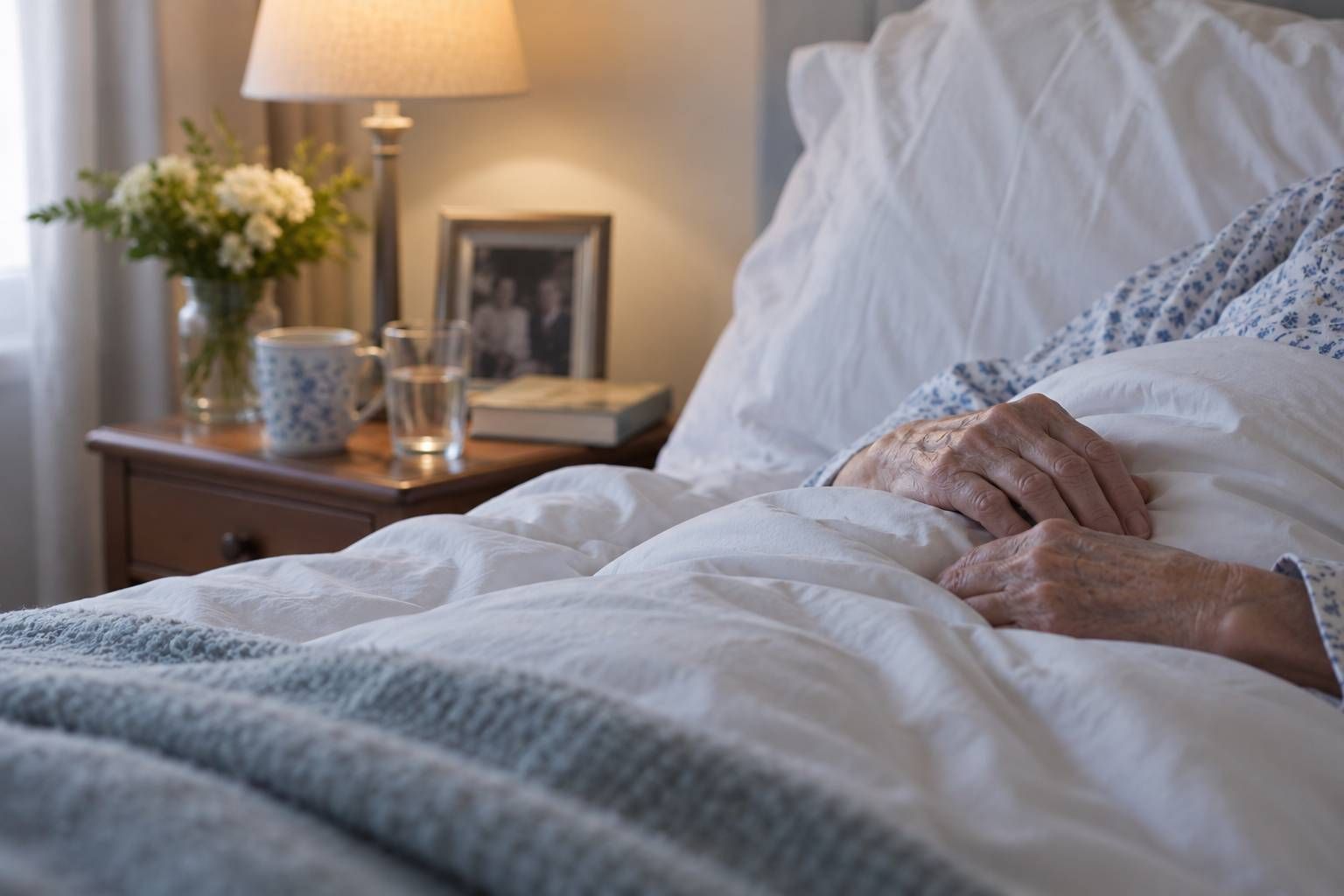
Whether a death at home was expected or came without warning changes what needs to happen first, and the right first step is not always obvious in the moment. Our dedicated guide, Death at Home, walks through exactly what to do in either situation, including who to contact and what happens next.
If the Death Happened in Hospital
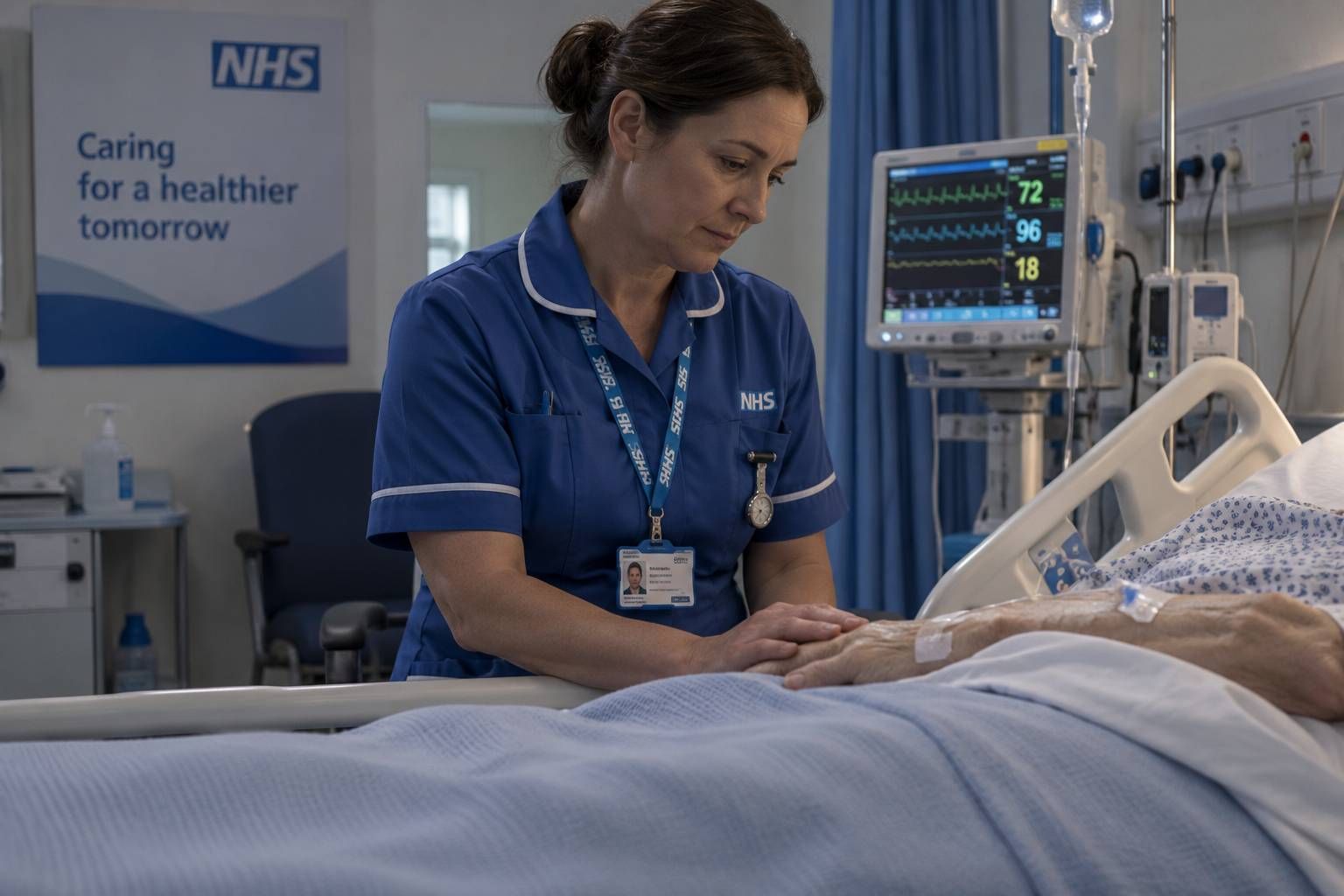
Hospitals usually take the lead on the immediate formalities, but families are often left unsure what is expected of them and when. Our guide on Death in Hospital explains what typically happens, what the hospital handles, and when you can begin thinking about a funeral.
If the Death Happened Abroad
When someone dies overseas, families often have to deal with unfamiliar rules, official paperwork, and decisions about whether to bring the person home or arrange a funeral abroad. Having clear information early on can make a very complex situation feel more manageable.

If the Death Was Sudden or Unexpected
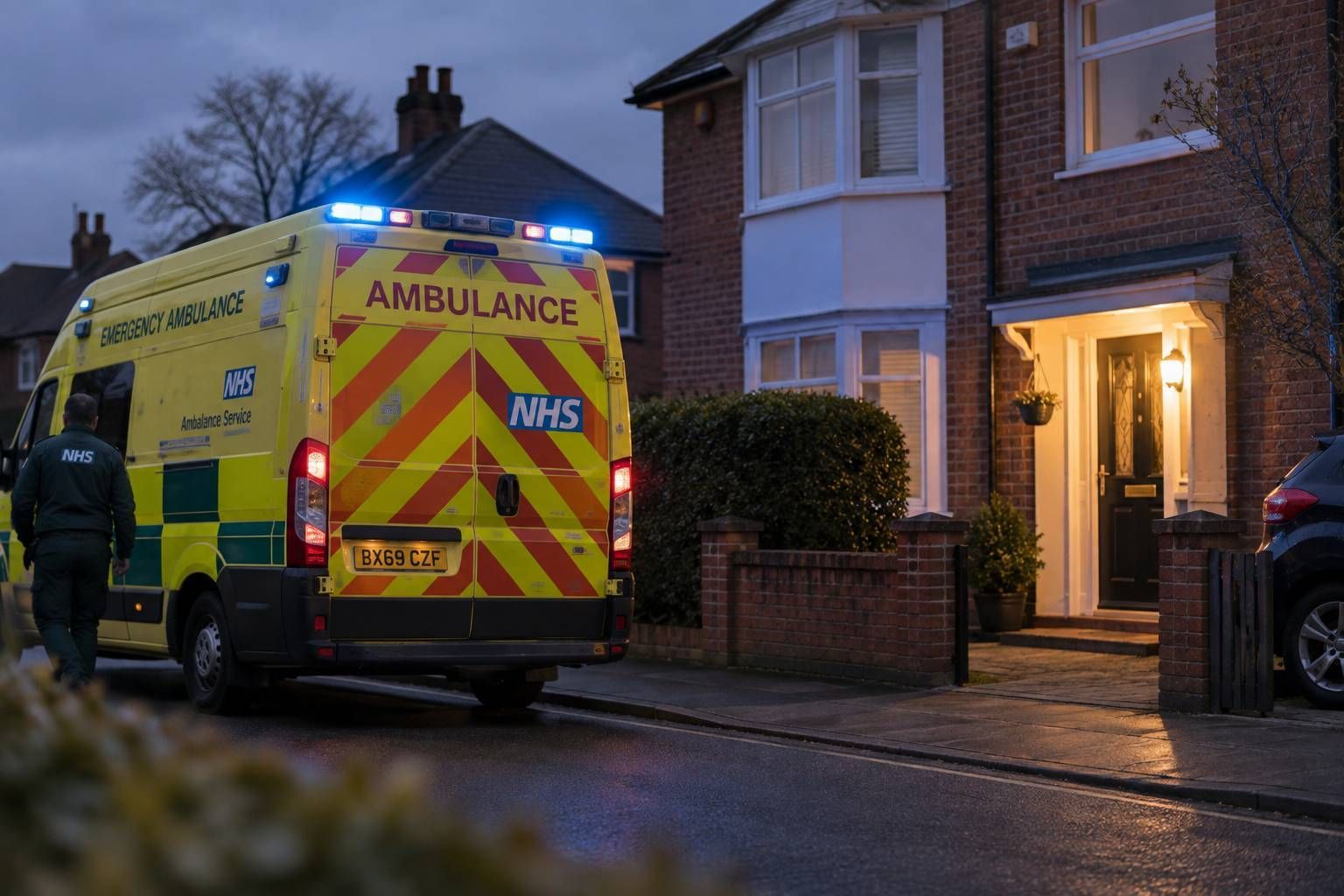
A sudden death can involve additional steps before anything else can move forward, alongside the shock of the loss itself. Our guide on Sudden Death explains what this can mean in practice and how to find support during that time.
Registering the Death and Next Steps
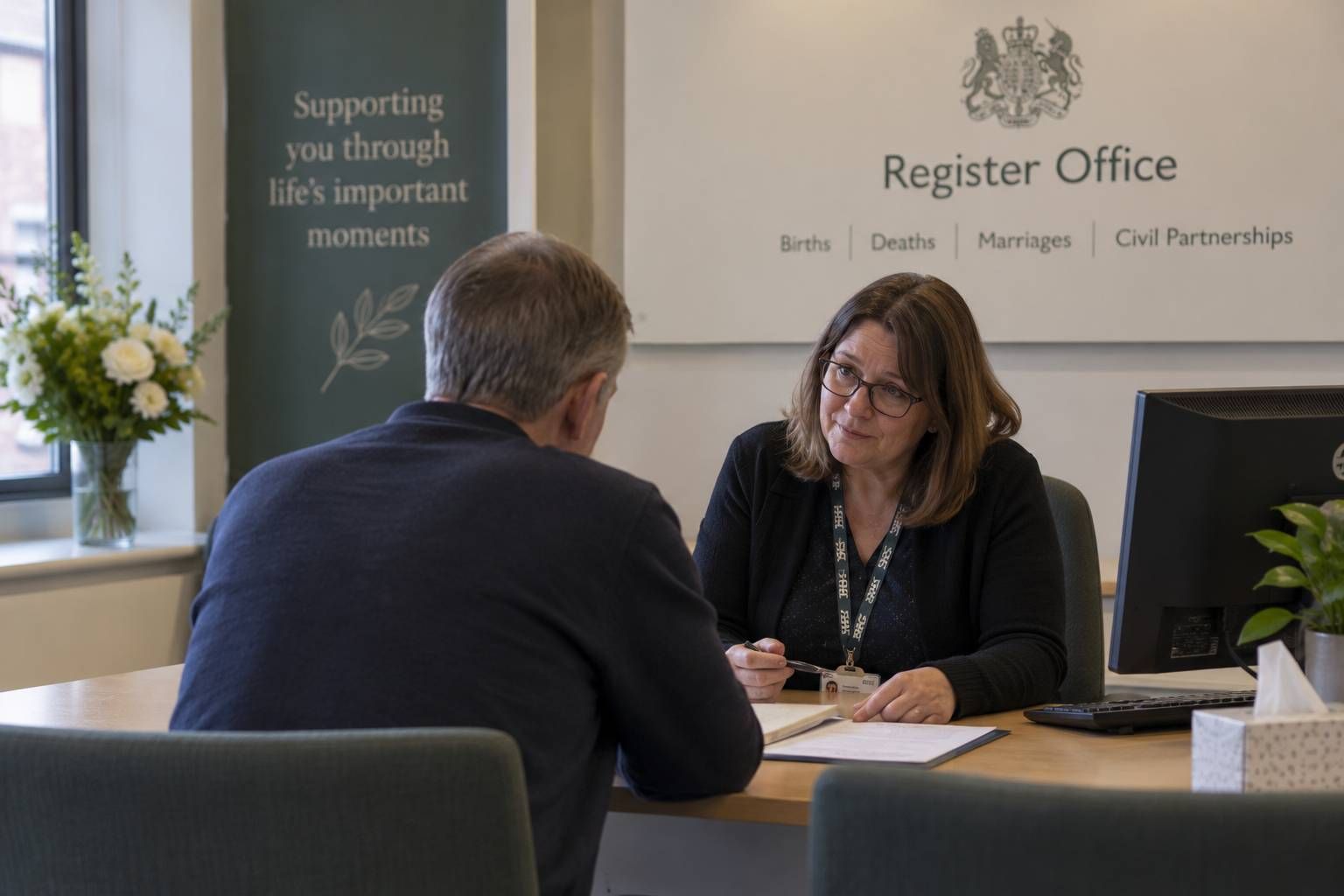
Once the death has been confirmed and the relevant medical paperwork is in place, the next formal step is registering the death, usually within a set number of days. Our guide on How to Register a Death explains exactly what this involves, including specific situations such as coroner referrals, deaths abroad, or stillbirth.
If you would prefer a simple overview of every task in one place, our Checklist brings the key steps together, so nothing feels missed at a difficult time.
Funeral Arrangements After a Death
With the death registered, attention naturally turns to the funeral itself. There is no single right way to do this, and there is no need to make every decision straight away.
Typical early decisions include whether the funeral will be a burial or cremation, whether the service will be religious, non-religious, or a mixture of both, and where the service will take place. It is also worth checking whether the person who died left any wishes, such as a funeral plan, a will, or simply a conversation they had with family beforehand.
Many families choose to work with a funeral director at this stage, as they can coordinate the practical details, liaise with the crematorium or church, arrange transport, and take pressure off the family during a difficult time. Others prefer to arrange some or all of the funeral themselves, which is also possible, though it usually takes more time and organisation.
Whichever path feels right for your family, arrangements can be built up gradually. Small decisions, such as choosing music, flowers, or a venue for afterwards, do not need to be finalised immediately, and can often be discussed over more than one conversation.
How Bridgwater Funerals Can Help
If you are based in Bridgwater or a nearby town or village such as Cannington, Weston Zoyland, North Petherton, Puriton, Woolavington and are not sure where to start, speaking to a local funeral director can make the whole process feel more manageable. A funeral director familiar with the area can also advise on local crematoriums, cemeteries, and venues, which can be helpful if you are unfamiliar with the options nearby.
Bridgwater Funerals has supported local families for many years, offering a personal, unhurried approach to funeral arrangements. We can help with every part of the process, from the first practical questions through to planning a Traditional Funeral Service or another type of service that reflects your loved one's wishes.
If you would like to talk things through, you can Contact our team directly, and we will guide you clearly and compassionately from that first conversation onwards.
Available 24 Hours a Day
If someone has died and you need assistance, Bridgwater Funeral Services is available by telephone 24 hours a day, 7 days a week to provide guidance and support.